
Top Red Light Therapy Devices for Home: What to Look for Before You Buy
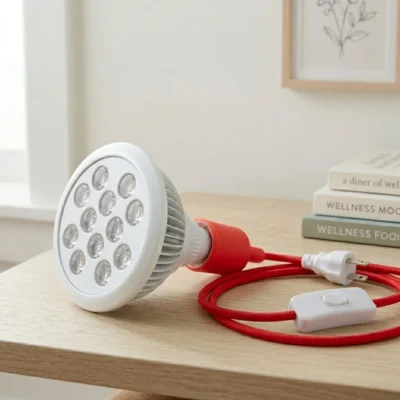
Summary:
Ready to enhance your overall health and well-being from the comfort of your home? The best red light therapy devices can deliver powerful outcomes. Discover the key features you must consider before you buy a red light therapy device.
Introduction
If you’re choosing a red light therapy device for home use, prioritize:
- Wavelength: 630–660 nm (skin health), 810–850 nm (deep tissue & muscle recovery)
- Irradiance: 20–100 mW/cm² depending on treatment area
- EMF Levels: Low EMF for safe long-term use
- Coverage Area: Targeted (handheld) vs full-body (panels)
- Ease of Use: Lightweight, timer-enabled, and user-friendly
The popularity of red light therapy at home has reached a different level over the past few years. By emitting red and near-infrared light, these devices go beyond the skin and impact the whole body, improving mental and physical well-being. Simply put, red light therapy is a treatment that makes use of specific wavelengths of light to reduce inflammation, improve skin health, and minimize muscle or joint pain. Studies even show that it’s effective in reversing skin aging. (Source: NLM)
Wondering how it works? Red and near-infrared light penetrate the skin and stimulate the mitochondria (the energy centers of cells), helping cells repair, regenerate, and function more efficiently.
This same cellular mechanism is also being explored in hormonal health; if you are curious about that angle, check out Does Red Light Therapy Increase Testosterone? What Science Actually Says.
Features to Look for Before Buying Red Light Therapy Devices
Every red light therapy device promises big results, from reduced pain to rejuvenated skin and improved skin. However, the truth is that some actually work and others are simply overhyped. So, before you make a purchase, apart from considering where to buy red light therapydevices, it’s worth asking yourself: What should I look for in a red light therapy device for home use? From the wavelength to safety, you must factor in everything to make the right choice. To simplify things further, this listicle will explore the key features to look for in top light therapy devices.
1. Wavelength Range
The red light therapy benefits are many. However, the effectiveness is highly dependent on the wavelength emitted.
- 630 to 660nm: Targets surface-level skin concerns like wrinkles, acne, and collagen production.
- 810 to 850nm: Penetrates deeper for muscle recovery, joint pain relief, and circulation.
Depending on whether you are in search of the best red light for testosterone or a device to rejuvenate skin, you can select the appropriate red light device. If your goal is hormone optimization, you can also explore practical usage strategies in Does Red Light Increase Testosterone? 6 Practical Ways to Use It Daily.
2. EMF Output
It’s no surprise that devices using electricity emit electromagnetic fields (EMFs). Red light therapy devices are indeed safe for use at home. However, as the devices will be used on a regular basis, look for low EMF devices for optimum health and well-being.
3. Irradiance
When considering red light therapy at home devices, consider the power output.
- 20-50 mW/cm²: Ideal for face, neck, and sensitive areas
- 50-100 mW/cm²: Better suited for deep tissue, muscle recovery, and joint pain
Higher irradiance levels are often preferred for muscle recovery and performance optimization, especially among active individuals and fitness enthusiasts. For a deeper dive into performance-focused usage, check out Red Light Therapy for Athletes: The Ultimate Guide to Faster Recovery.
4. Coverage Area
Want red light therapy devices to target specific areas or your entire body? Based on your treatment goals, you need to decide the coverage area of the devices. For instance, the handheld devices like LGS1 are ideal for targeting specific areas along with the entire neck, face, or hands. But, if you aren’t just looking for a device for aesthetics and want to promote full-body well-being, it is better to go for the red light panels like BL1.
5. Convenience
You definitely don’t want a device that requires specialized training for operation. That’s why the ease of use matters! Be sure to invest in the red light therapy devices that can be conveniently used and stored at home.
6. Pricing and Warranty
The red light therapy devices range from USD 149.99 for handheld models to USD 799 for full-body panels. Select a device that perfectly fits your budget and provides the best value for money. Besides pricing, ensure that the product comes with at least a one-year warranty.
| Features | Why it Matters | Ideal Standards |
| Wavelength Range | Determines how deep the light can reach | 630 to 660nm (red) and 850nm (infrared) |
| EMF Output | Safety and well-being | Low EMF devices |
| Irradiance | Determines effectiveness | 20-100 mW/cm² |
| Coverage Area | Ensures better targeting | Handheld and panel |
| Convenience | Promotes steady use | Lightweight and easily adjustable |
| Pricing and Warranty | Ensures better value for money | USD 149.99 for handheld devices and USD 399.99 to 799 for Pod and Body lights, one-year warranty |
Best Red Light Therapy Devices for Home
Planning to buy red light therapy devices for home use? Here’s a list of the best options to consider!
| Devices | Best For | Wavelength | Power | Price |
 LGS1: Orange & Red (610-670nm) | Eyesight, energy, metabolism | 670nm – Deep Red 100% | 16.7 Watts | USD 149.99 |
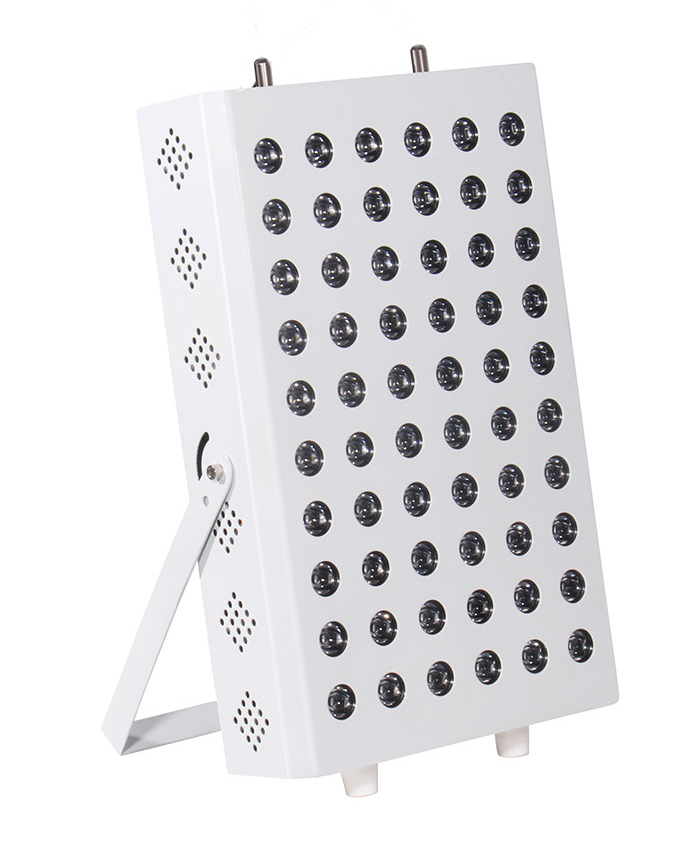 PL1: Orange & Red (610nm, 630nm, 670nm) | Anti-aging, inflammation, sleep | 610nm – Orange 25% 630nm – Orange/Red 25% 670nm – Red 50% | 90 Watts | USD 399.99 |
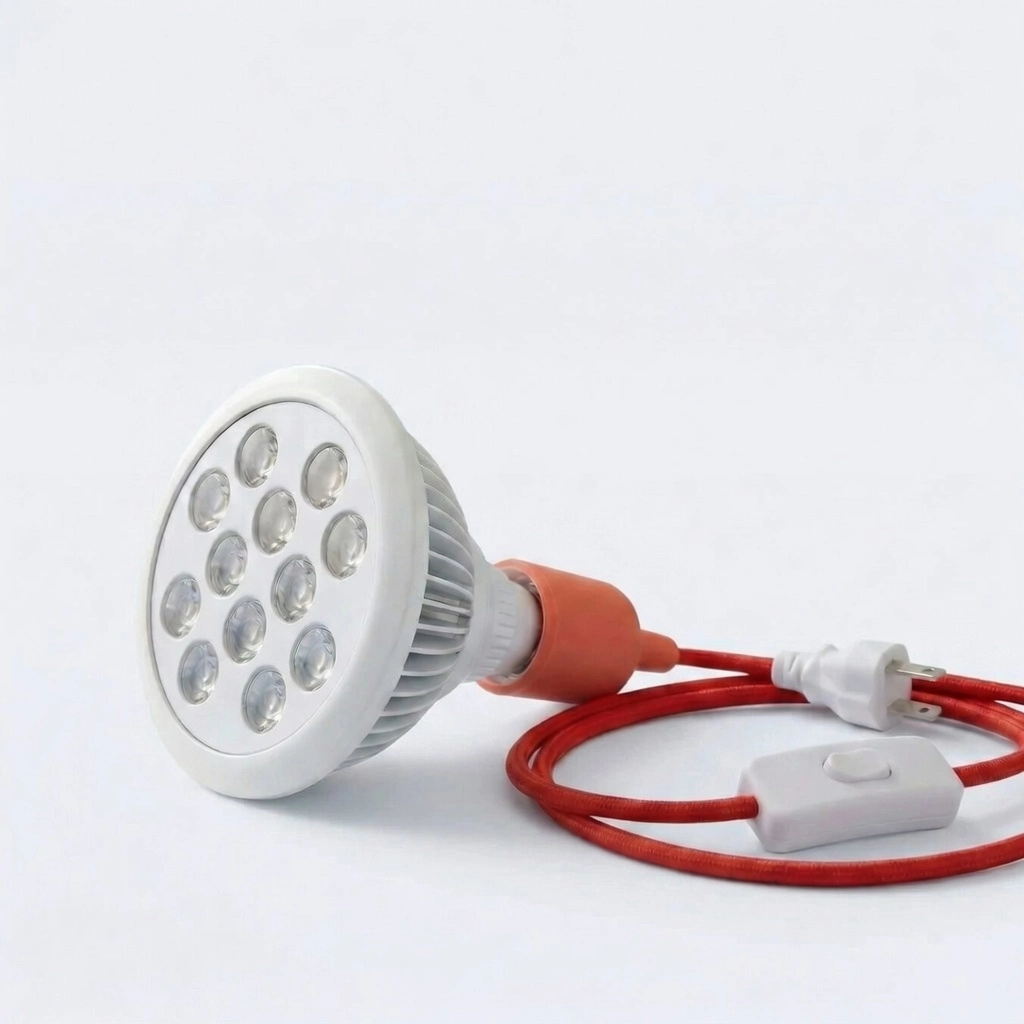 LGS7: Deep Red 670nm | Pain relief, stress, healing | 670nm – Deep Red 100% | 16.7 Watts | USD 149.99 |
How to Choose the Right Device (Based on Your Goal)
For Skin & Anti-Aging
- Focus on red light (630–660 nm)
- Lower intensity
- Smaller device
For Muscle Recovery
- Near-infrared (810–850 nm)
- Higher intensity
- Medium or large panel
For Overall Wellness
- Dual wavelength device
- Larger coverage area
If better sleep is one of your goals, choosing the right wavelength and exposure timing becomes crucial, as explained in Red Light for Circadian Rhythm: How It Helps You Sleep Better Naturally.
Conclusion
When it comes to rejuvenating skin, reducing inflammation, or improving muscle recovery, red light therapy works well. Whether you are looking for the best red light for testosterone or fibrosis, exploring the key features matters. If you’re exploring where to buy red light therapy devices, choose providers that offer clinically relevant specifications, transparent information, and reliable customer support. Life Giving Store is one such option offering a range of devices designed for home use.
FAQs
Q, How to determine whether a red light is of good quality?
A. An easy approach is to ensure that the device emits light at clinically relevant wavelengths. Usually, the red light that ranges from 630 to 660 nm is ideal for wound healing and skin rejuvenation.
Q. Is a session of 3 minutes of red light therapy enough?
A. To ensure optimal outcomes, the session must last for 10 to 20 minutes daily.
Q. Are all red light therapy devices the same?
A. No, all devices aren’t the same. Differences in intensity, wavelength, and coverage area produce different results.
Medical disclaimer
Information provided in this content is for general educational purposes only and does not claim to be a substitute for professional medical advice. Consult your physician before application.
