
Does Red Light Therapy Increase Testosterone? What Science Actually Says
Summary:
For those who are wondering, does red light therapy increase testosterone? Here’s a blog to delve into the answers. Red light therapy may support testosterone indirectly by improving sleep, reducing inflammation, and enhancing cellular energy. However, current human evidence is limited, and it should not be considered a primary treatment for increasing testosterone.
Introduction
Low energy, poor recovery, reduced libido, and lack of motivation are some subtle signs that push people to question their testosterone levels, and there’s a broader trend behind this concern: Studies show that the average testosterone levels have been steadily dropping by about 1% annually since the late 1980s. (Source) Naturally, millions of men worldwide are constantly looking for natural, non-invasive ways to increase their testosterone levels, but many wellness trends lack the scientific rigor necessary to justify their use. However, that’s where a common question comes up: Does red light therapy increase testosterone?
We are going to answer this and break down what science actually says about red light therapy increasing testosterone.
What is Red Light Therapy?
Also known as photobiomodulation, Red Light Therapy (RLT) uses specific wavelengths of light to stimulate cellular activity. For instance, devices like the BL1 use wavelengths, such as:
- 610 nm (Orange light)
- 630nm (Red/ Orange light)
- 670nm (Red light)
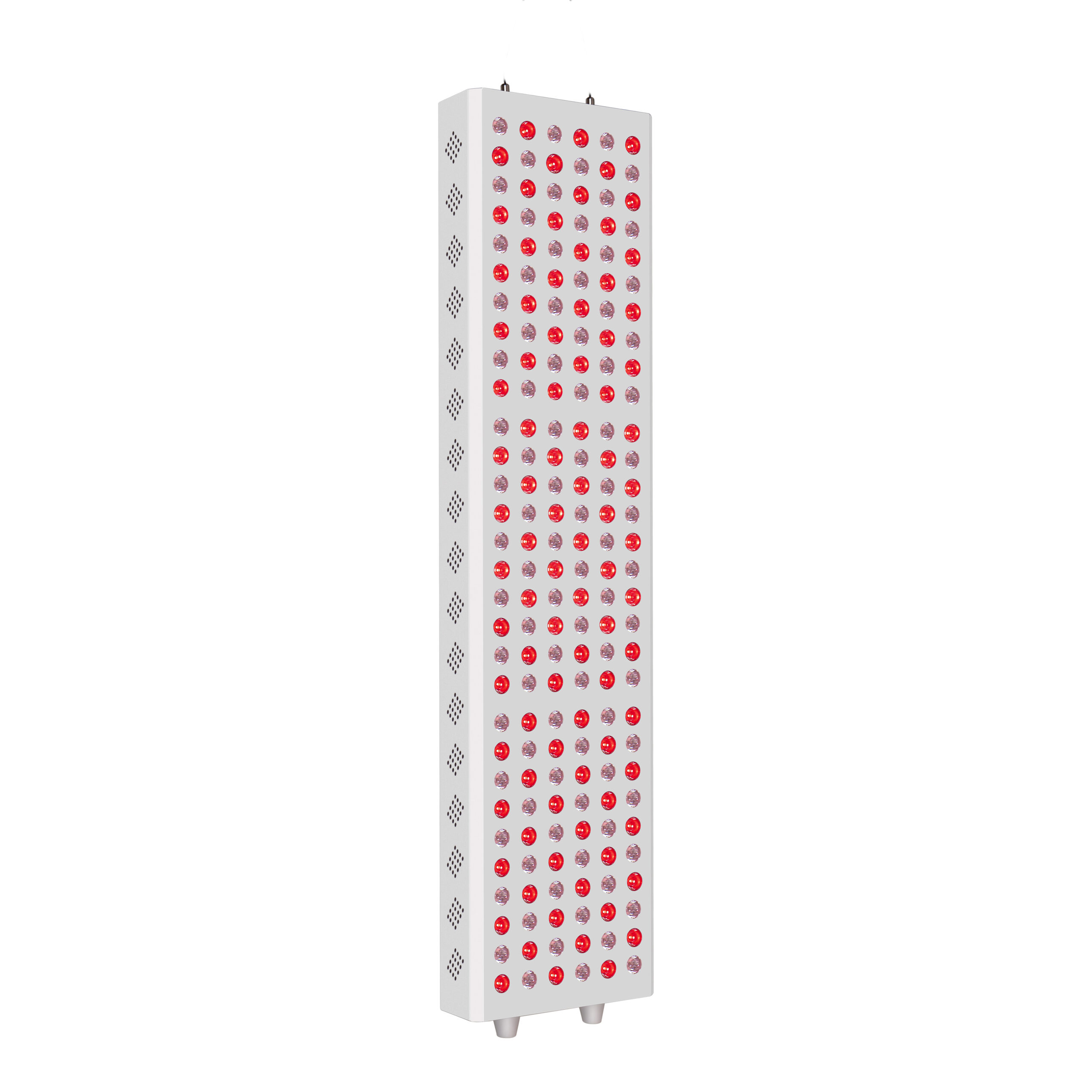
These wavelengths interact with a key enzyme in the body known as cytochrome c oxidase, which plays a crucial role in cellular energy production, and here’s how things proceed:
- Light penetrates the skin
- It stimulates mitochondria (your cells’ energy centers)
- ATP (cellular energy) production increases
- Cells function more efficiently
This is why red light therapy is often used for:
- Muscle recovery
- Skin rejuvenation
- Reducing inflammation
- Improving sleep
- And more
However, how does this relate to testosterone? Well, we are going to see.
Does Red Light Therapy Increase Testosterone?
Short answer is: it might help, but the evidence is still emerging. Here’s what research currently suggests.
- Some animal studies published on PubMed show increased testosterone levels when red light is applied to reproductive tissues.
Akhtar MF, Swelum AA, Wang C. Effect of Monochromatic Red, Blue, and White Light on Reproductive Hormones of Male Donkeys During the Non-Breeding Season. Animals (Basel). 2026 Feb 4;16(3):490. doi: 10.3390/ani16030490. PMID: 41681471; PMCID: PMC12896812. View on PubMed
- On the other hand, a 2024 human trial published in the Journal of Lasers in Medical Sciences investigated the use of 650 nm and 820nm low-level laser irradiation. The researchers found that this therapy led to better sexual satisfaction and reduced chronic testicular pain, though it is important to note that testosterone was not the primary measured hormone in this specific study.
Cyrus Momenzadeh, Mahmoud D ehghani-Ghorbi, Mohammad Reza Razzaghi, Mohammad Zaki Abbasi, Alireza Jaffari – Influence of Low-Level Laser Irradiation of the Red and Infrared Spectral Range for Treating Chronic Testicular Pain: A Randomized Clinical Trial. Available at: ResearchGate
In addition, one study found that men exposed to bright light experienced a significant increase in testosterone levels over two weeks. (Source: Science Direct) Although this study used bright white light, recently red light to boost testosterone has been in use for a wide range of reasons.
How Red Light Therapy May Support Testosterone?
Though direct evidence is limited, the underlying biology offers some crucial clues in terms of how red light therapy can increase testosterone:
- Cellular Energy and Hormone Production: Primarily, testosterone production depends on the energy at the cellular level, and by improving mitochondrial function, red light therapy can support hormone-producing cells.
- Reduced Inflammation: Chronic inflammation can negatively affect hormonal balance, but red light therapy is widely known for its properties to reduce inflammation, which may indirectly help to support testosterone.
- Better Sleep Quality: Studies have shown that testosterone levels naturally peak during sleep (Source), and red light therapy commonly helps to improve sleep quality and support circadian rhythm. Also, better sleep can invariably and implicitly help with better endocrine regulation.
- Stress Reduction: Lower stress levels may also support healthier testosterone levels, and red light therapy is often associated with improved stress tolerance as it helps to lower cortisol. (Source)
Real-World Benefits Beyond Testosterone
Along with boosting testosterone, red light therapy also offers several well-documented benefits, including the following:
- Increase in energy and metabolism
- Better sleep quality
- Lowering pain and inflammation
- Supporting muscle recovery
- Improving skin health and collagen production
- Enhancing overall well-being
Besides, some users also report improvements in libido, which may also contribute to the perception of hormonal benefits.
Safety Considerations
Before you go for red light therapy, here are some safety tips that you can closely keep an eye on:
- Avoid direct eye exposure
- Follow recommended usage durations
- Use the devices as instructed
Who Should Consider It?
We would say that red light therapy may be useful if you:
- Want a non-invasive wellness tool
- Struggle with sleep or recovery
- Experience low energy or high stress
However, if you suspect clinically low testosterone, it’s crucial to consult a healthcare professional for targeted impact.
Conclusion
Red light therapy does not directly boost testosterone in a proven, clinically significant way, at least based on current human evidence. If you want to improve overall health, recovery, and energy, red light therapy can be a remarkable addition to your routine. Just keep your expectations realistic, and use the device as suggested.
Looking for products to experience the broader benefits of red light therapy? At Life Giving Store, you will find advanced red light therapy solutions designed with clinically relevant wavelengths like 610nm, 630nm, and 670nm, and more, built to support your daily wellness routine.
Explore our collection and take a step toward better energy, recovery, and overall vitality, naturally!
FAQs
Q. How often should I use red light therapy?
A. While most users benefit from red light therapy with consistent use spread over a few sessions per week, you can use the device depending on the guidelines and usage terms.
Q. Can red light therapy improve sleep quality?
A. Yes, it is in fact commonly associated with deeper and more restful sleep, which supports holistic wellness.
Q. Is red light therapy a good addition to a healthy lifestyle?
A. It absolutely is, and the device works best when you combine it with proper nutrition, exercise, and good sleeping habits.
Q. Does red light therapy improve libido?
A. Some users do report improved libido, likely due to better energy, sleep, and reduced stress.
Medical disclaimer
Information provided in this content is for general educational purposes only and does not claim to be a substitute for professional medical advice. Consult your physician before application.
